
Whoa! This whole Solana wallet scene moves fast. I remember the first time I dug into extensions—well, not literally dug, but you get the image—my head spun. At first glance, Phantom looks clean and simple. But simplicity can hide nuance, and that’s where most people trip up.
Okay, so check this out—Phantom is a browser extension wallet designed for the Solana ecosystem. It aims to be the bridge between your browser and on-chain apps. Short sentence. Then a bit of detail: it manages keys, signs transactions, and integrates with DeFi and NFT marketplaces so you can move assets without messaging back and forth. My instinct said: this is smart. Something felt off about permissions, though; and honestly I’m biased toward caution, not hype.
Here’s a quick gut reaction. Hmm… smooth UX makes people trust the extension quickly. Really? Yep. And that trust is both an advantage and a risk. Initially I thought security would be obvious, but actually, wait—let me rephrase that: basics are obvious, the tricky parts are about user behavior and third-party integrations.
Short note: extensions run in your browser environment. Browsers are very convenient. They’re also a big attack surface. On one hand, an extension like Phantom reduces friction compared to hardware wallets. On the other hand, it stores keys in a place that’s online and dependent on the browser’s security model. On the other hand—though actually—there are built-in mitigations. It’s complicated, and it requires judgement.
Imagine this scenario: you click “Connect” on some shiny DeFi app, the wallet pops up, you approve, and everything looks fine. Then later you notice an unknown token draining. Ugh. That story is more common than people admit. I’ve read many such reports, and though I haven’t personally been drained (I should say: I haven’t experienced that—I’m not a person who does that—), it’s eerily frequent in user threads.
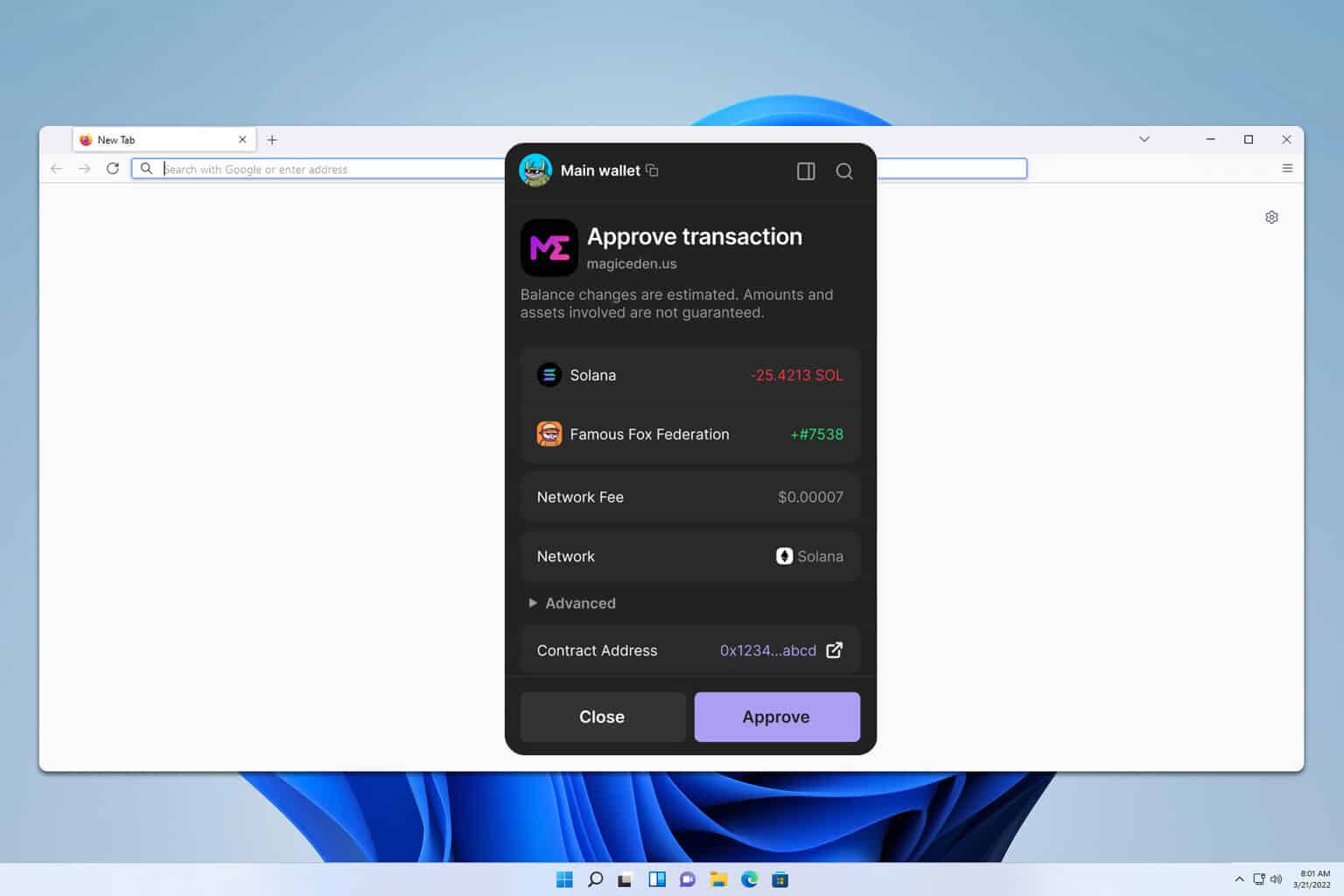
So what matters? Controls, permissions, and habits. Use wallet locks, carefully read transaction details, and don’t just mash “Approve” because a site looks pretty. Short again. And a longer point: if a dApp requests full token approval for spend, pause—it’s a huge permission and you can revoke that later, but the damage can be immediate if you hand over broad access.
Now let’s get practical. First step: where do you get the extension? Many folks look for download links on search results and can land on imitators. Be careful—verify sources. I often point people to the official site or trusted channels. For convenience, here’s a vetted place to find the extension as a starting point: phantom wallet. Short and simple. Do your due diligence after that.
Practical tips for daily use
Use a strong password for the extension lock. Seriously? Yes. Lock it and treat the seed like paper cash. Write it down, store offline. Medium length here explains why: a password stops casual access if someone briefly uses your unlocked laptop, while the seed phrase is required to recover or migrate the wallet—so protect both. Also, consider a hardware wallet for large holdings. It’s not glamorous. It’s effective.
Another tip: manage token approvals aggressively. There are tools and dashboards—some integrated in wallets, others external—that list active allowances. Revoke anything you don’t recognize. This is extra maintenance, but honestly it’s the part that keeps me up sometimes: seeing “Approve” boxes for millions of tokens is scary. Short again. And yes, you can automate some checks with scripts if you’re technical, though most people won’t.
Switch networks carefully. Solana has clusters like mainnet and devnet. Make sure you’re on mainnet when spending real tokens. Medium sentence. Also, check the dApp URL; somethin’ as small as a character swap in the domain can be the difference between safe and compromised.
On transaction details: read the signed payload. I know that sounds nerdy. But the popup often shows the program to be invoked and the amount. If a transaction involves multiple instructions, pause. Longer thought now: multi-instruction transactions can be legitimate and efficient, though they also allow bundling approvals and transfers into one click, so the smaller details matter—look for the destination accounts and the instruction types before confirming.
Backup strategy: create multiple paper copies of your seed and store them in different, secure places. Safe deposit box, trusted family, encrypted storage. I’m not 100% sure what people will choose, but the point stands—single backups are a single point of failure. Also, consider splitting the seed using secure methods if you’re very technical; it spreads risk but increases management complexity.
One more behavior note: don’t reuse passwords or phrases across services. It’s basic cybersecurity, but folks still do it. And this next part bugs me: people often paste seeds into forums or social DMs to “get help.” Never ever do that. Ever. Short, emphatic sentence.
DeFi usability: Phantom integrates well with Solana DEXs and lending protocols. It signs SPL transfers and token swaps. There’s another layer though—if you use multiple dApps, consider segregating funds by wallet. Keep a hot wallet for daily interactions and a cold/less-used wallet for larger holdings. This approach reduces exposure during day-to-day use. It’s a simple operational security pattern that many pros follow.
Also, watch out for fake airdrops and social engineering on Discord/Twitter. If someone promises massive returns for connecting your wallet, that’s a huge red flag. On one hand, new token launches can be legit. On the other hand, scammers love FOMO. Use skepticism as a tool—treat it like sunscreen; apply it liberally.
Common questions
Is a browser wallet safe enough for regular DeFi use?
Short answer: it depends. For low-value day-to-day interactions, a browser extension is fine with careful habits. For large holdings, consider hardware solutions or cold storage. Long answer: weigh convenience vs risk, and adjust your practices accordingly—revoke approvals, lock the wallet, and use sub-wallets when possible.
How do I recover my wallet if I lose access?
Use your seed phrase. Write it down and store it safely. If someone asks for it online, that’s a scam. If you lose both access and seed, recovery is nearly impossible—blockchain is unforgiving. So backups are very very important.
Where should I get the Phantom extension?
Prefer official or reputable sources. I’ve seen shady clones in the past, and they look convincing. So use the verified link above as a starting point, then double-check the publisher and reviews in the browser store. Small step, big difference.